
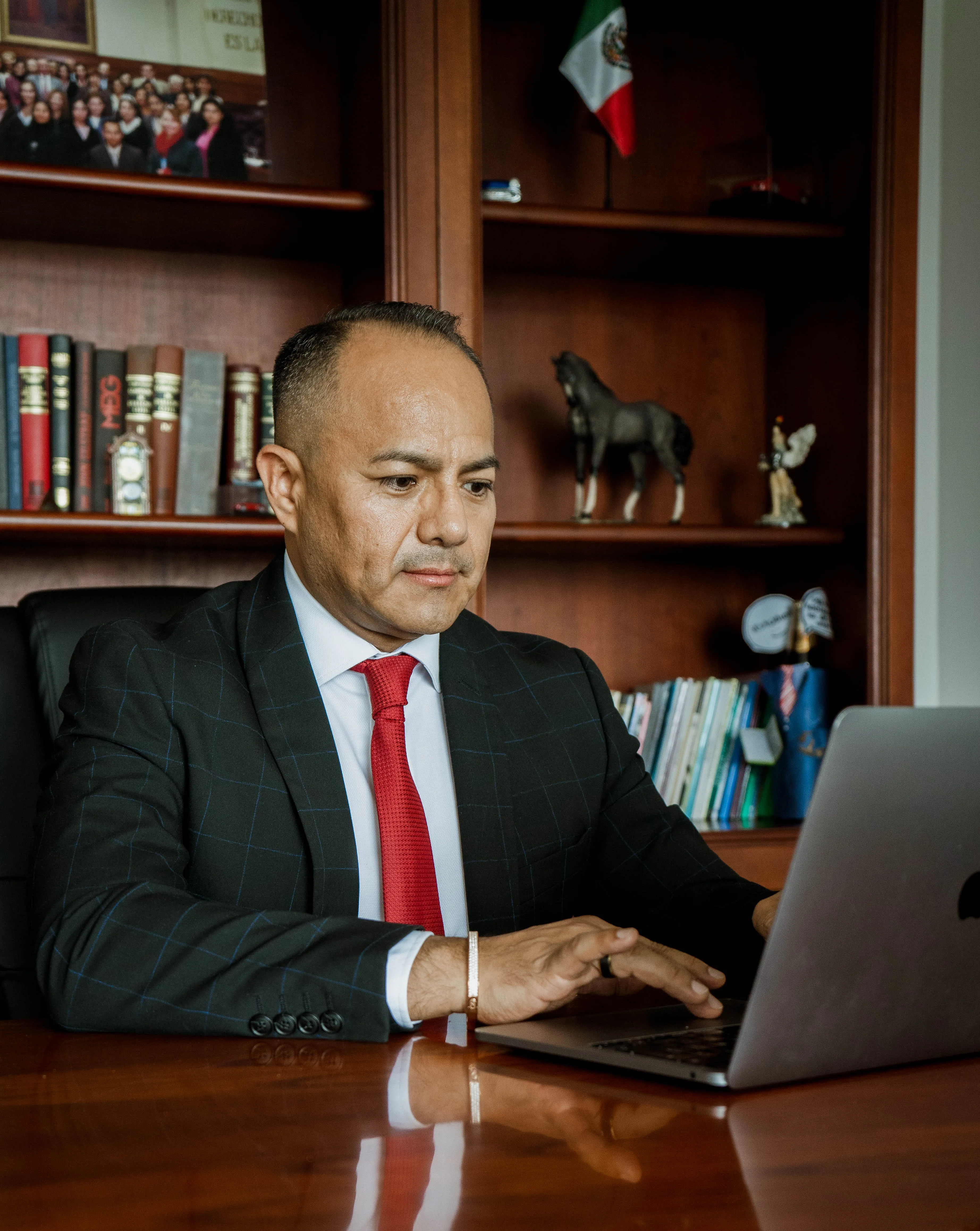
The municipal trustee (síndico) is the first legal watchdog of municipal finances. The role is frequently underestimated, but the legal responsibilities are extensive and can lead to serious personal consequences if not properly exercised.
Legal functions of the municipal trustee
The Organic Law of the Free Municipality of SLP assigns the trustee the following main functions:
- Legally represent the municipality in litigation and contracts
- Oversee the proper administration of municipal assets
- Review and issue an opinion on the Public Account before filing it with OSFAE
- Audit the exercise of the budget
- Report irregularities to the competent authorities
Liability under the LFRASP
The Federal Law of Administrative Responsibilities of Public Servants also applies to municipal servants. A trustee who fails to report irregularities they know or should know about can be sanctioned administratively, regardless of whether they directly participated in them.
This means that the trustee's inaction in the face of irregular expenditure can be as serious as the expenditure itself.
How to protect yourself legally
Best practices for a trustee who wants to exercise their role with legal certainty:
- Document in writing all observations made regarding expenditure
- Request information via official memo when the Treasurer refuses to provide data
- Issue a reasoned opinion before validating the Public Account
- Never sign documents without reading them and understanding their legal scope
- Have independent legal counsel
The trustee and the mayor
At times the trustee faces pressure from the mayor to approve expenditures without legal basis. The law is clear: the trustee can and must cast a dissenting vote when they disagree with a council resolution. This vote is recorded in the minutes and protects them from joint liability.